You ran the campaign. The influencer had 350,000 followers. The post went live on a Tuesday morning. You refreshed the analytics dashboard, waiting for the sales notifications to roll in.
Nothing.
A week later: 1,400 likes, 14 comments, and zero attributable conversions. The influencer blames the algorithm. Your agency blames the creative. The real culprit? Fake followers — and they cost Indian brands more than most marketing teams ever want to calculate.
Influencer fraud is one of the most underreported problems in digital marketing globally — and in India, the scale of the problem is particularly severe.
The Scale of the Problem in India
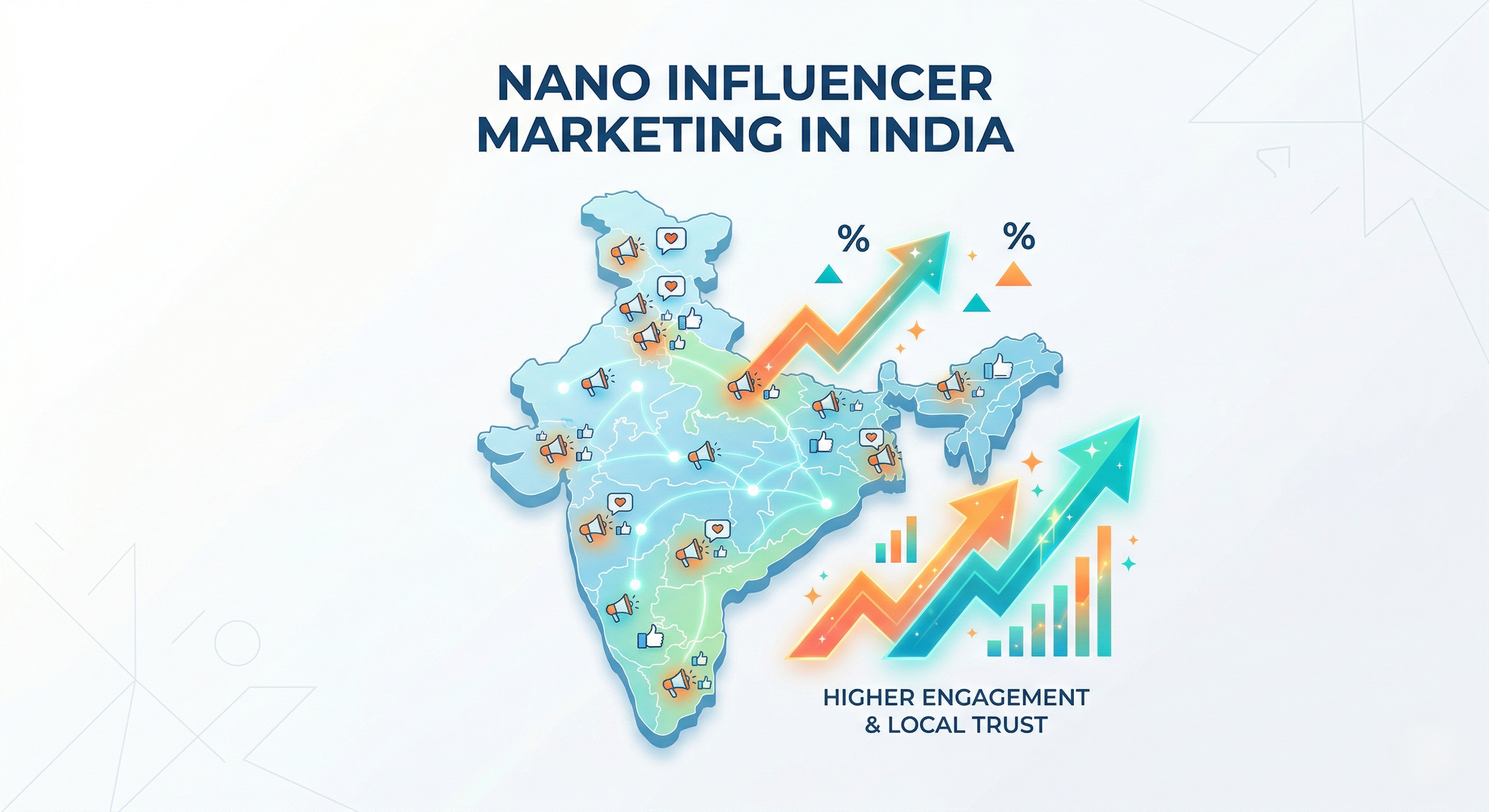
The Indian influencer market is growing rapidly — projected to reach ₹3,375 crore by 2026 — but that growth has attracted a shadow economy of follower farms, bot networks, and engagement manipulation services.
Key data points every Indian marketer should know:
- According to HypeAuditor’s 2024 Global Influencer Fraud Report, approximately 45% of Instagram engagement globally is estimated to involve some form of non-authentic activity.
- In India, follower purchase services offer 100,000 fake followers for as little as ₹4,000–₹7,000 — making it trivially easy for creators to appear macro-tier overnight.
- A 2023 ASCI (Advertising Standards Council of India) study found that over 29% of sponsored posts from Indian influencers showed signs of engagement manipulation.
- Click farms operating out of Southeast Asia and Eastern Europe specifically target Indian creator accounts due to demand.
The math is brutal: if 35% of a creator’s 500,000 followers are fake, you’re actually reaching 325,000 people — meaning your effective CPM just jumped by 54% before the campaign even started.
The 5 Types of Fake Engagement You Must Know
1. Bot Followers Automated accounts that follow creators en masse. They may generate passive likes but never convert, comment meaningfully, or make a purchase. Detectable through irregular activity patterns and account creation dates.
2. Purchased Likes Likes from click farms that arrive in abnormal bursts — often within the first 30–60 minutes of a post. Real engagement builds gradually; purchased engagement spikes immediately.
3. Comment Pods Groups of real influencers who agree to comment on each other’s posts to inflate engagement metrics. The accounts are real, but the engagement is manufactured. This tactic specifically defeats simple engagement-rate checks.
4. Follow/Unfollow Manipulation A creator follows thousands of accounts to gain follow-backs, then unfollows — leaving an inflated follower count of people who never chose to follow them and rarely engage.
5. Ghost Followers Real accounts that simply haven’t been active in 1–3 years. They show up in follower counts but never see content, engage, or convert. Many creators accumulated these legitimately years ago — but they silently drag down effective reach.
6 Ways to Detect a Fraudulent Influencer Profile
1. Check the follower growth curve. A legitimate creator grows gradually, with occasional spikes tied to viral content. Suspicious profiles show cliff-like follower jumps — often overnight — with no corresponding viral moment.
2. Audit comment quality. Scroll the last 15 posts. Are comments specific to the content? Do people ask follow-up questions? Or is it wall-to-wall fire emojis and “Nice!” with no context? Generic comments are a reliable fraud signal.
3. Calculate engagement rate manually. (Likes + Comments) ÷ Followers × 100. For a macro influencer, anything below 1% warrants deeper investigation. For micro influencers in India, below 2.5% is a red flag.
4. Cross-check audience location. If a Mumbai-based fashion creator claims a 75% female Indian audience, but engagement is coming from accounts with Southeast Asian profile pictures and no Indian content — something is wrong.
5. Analyze content-to-subscriber ratio on YouTube. If a creator has 800,000 YouTube subscribers but their last 10 videos average 4,000 views — the math doesn’t work. Organic subscriber-to-view ratios should be consistent.
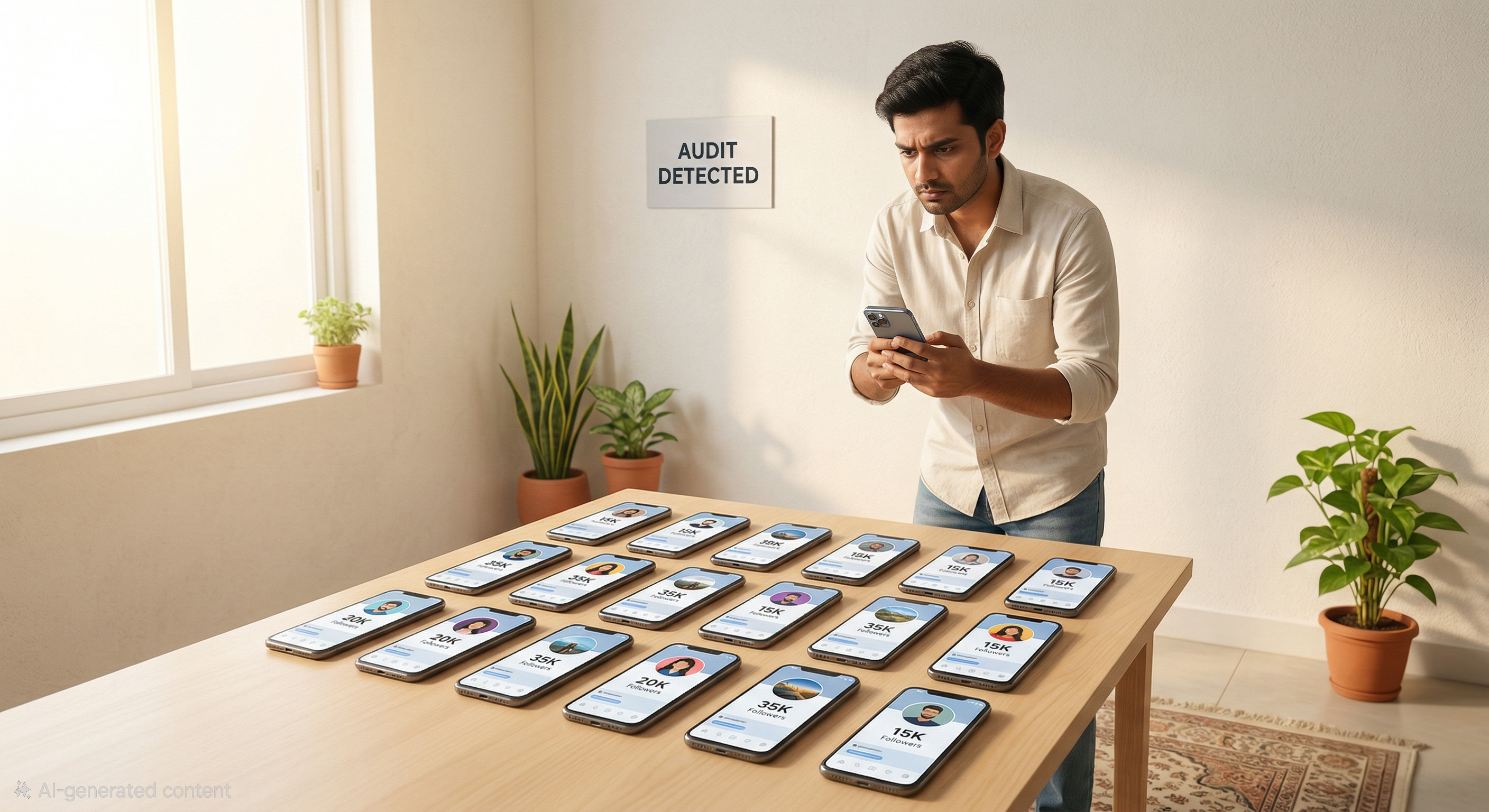
6. Run a bot detection tool or platform audit. Manual checks only go so far. Purpose-built platforms analyze hundreds of signals simultaneously — follower growth anomalies, engagement timing, comment authenticity, historical patterns — and deliver a composite authenticity score.
The True Financial Cost: A Realistic Scenario
Scenario: You allocate ₹8,00,000 to an influencer with 400,000 followers.
- Reported followers: 400,000
- Estimated fake follower rate: 38% (industry average for this tier in India)
- Real reach: ~248,000
- Effective CPM you actually paid: ₹3,226 vs. the ₹2,000 you budgeted
Multiply this across 15 campaigns per year, and you’re potentially wasting ₹30–50 lakh annually on audiences that don’t exist.
How Technology Closes the Gap
Manual auditing doesn’t scale. At 10 creators it’s tedious. At 50 it’s impossible. Modern influencer marketing platforms solve this through automated audience quality analysis — examining follower growth patterns, engagement velocity, comment authenticity, and audience demographics to generate a trust score before any deal is signed.
Opsero’s Audience Quality Score runs this analysis automatically on every creator profile you shortlist — so you walk into negotiations with data, not hope.
The Bottom Line
Fake followers aren’t a peripheral annoyance. They are a systematic budget drain hiding in plain sight inside every influencer campaign that skips proper vetting. In a market as dynamic and rapidly scaling as India’s creator economy, the brands that build fraud detection into their standard discovery workflow will compound their ROI advantage every single year.
Audit before you activate. Always.