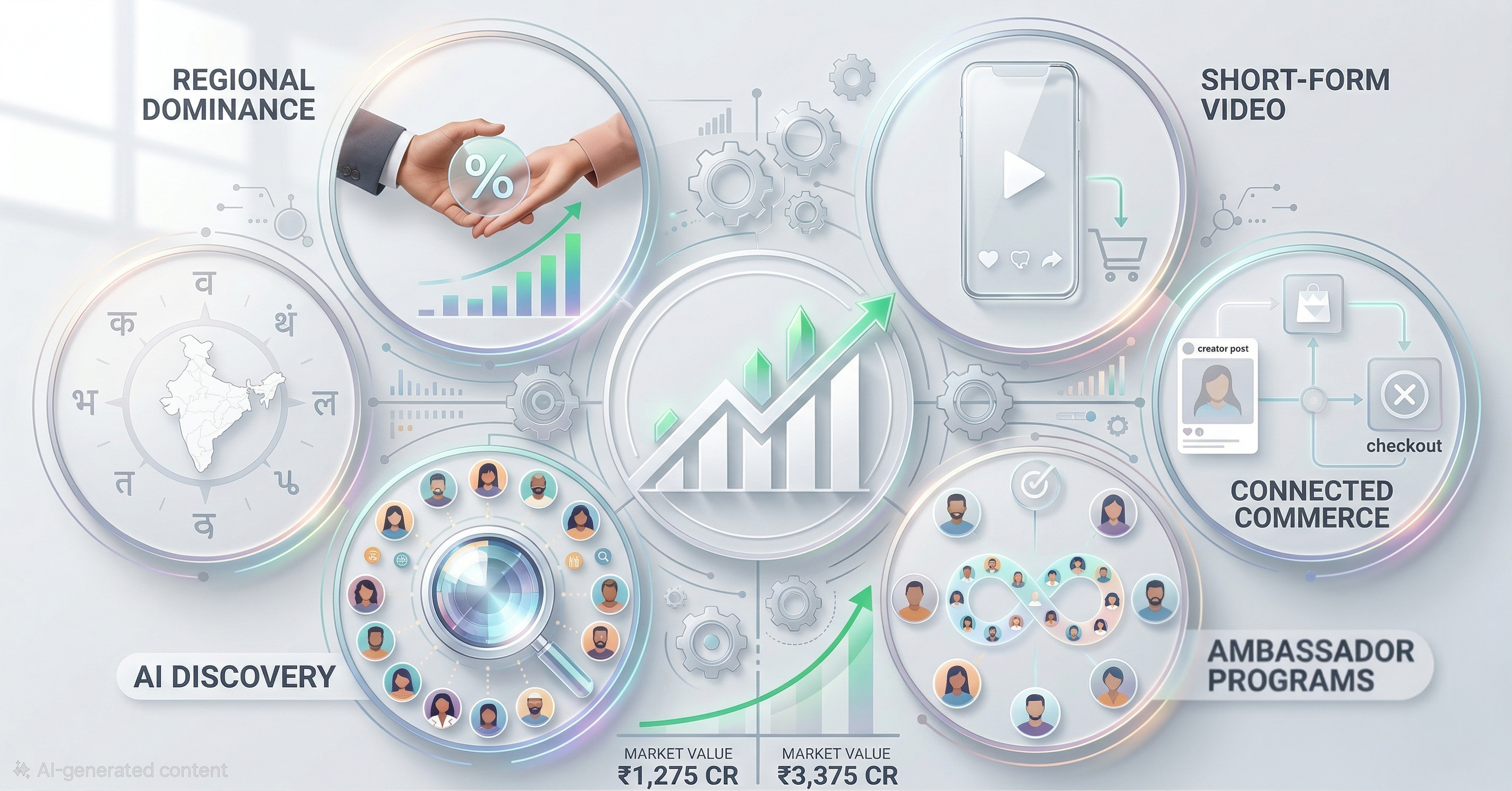
India’s creator economy is at an inflection point. From a market valued at approximately ₹1,275 crore in 2022, projections place it at ₹3,375 crore by 2026 — a growth trajectory driven by smartphone penetration, affordable data, and a consumer base that is decisively shifting from TV and print to social content as its primary discovery channel.
With over 100 million active content creators and platforms like Instagram and YouTube investing heavily in Indian creator infrastructure, the rules of brand marketing are being rewritten in real time. These are the six trends defining influencer marketing in India in 2026 — and exactly what your brand should do about each one.
Trend 1: Regional Language Creators Are Dominating Discovery
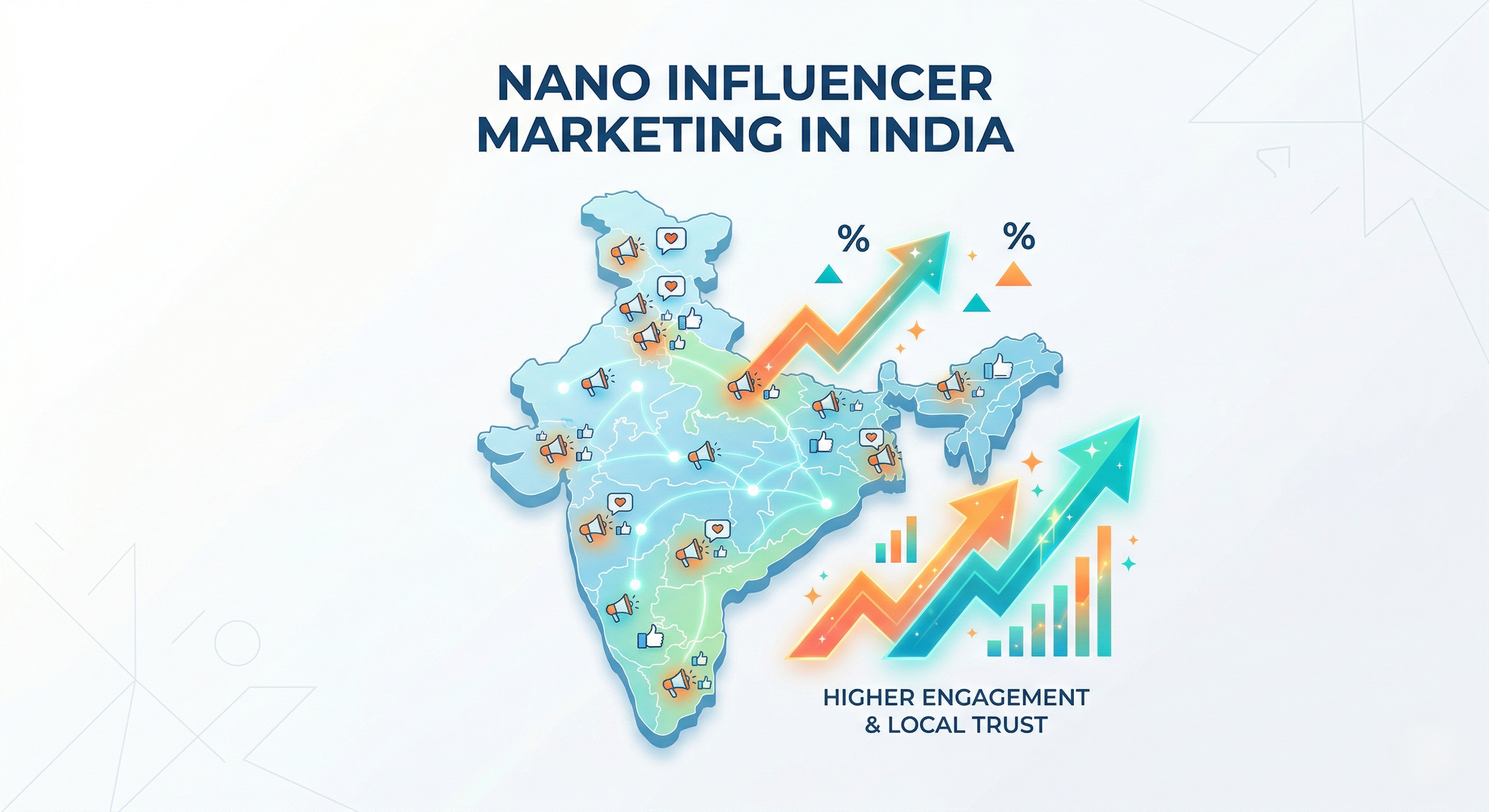
The English-only influencer era in India is over — and the data is unambiguous. The fastest-growing creator segments in 2026 are in regional languages. Tamil, Telugu, Kannada, Bengali, Marathi, Punjabi, and Bhojpuri creators are building audiences with extraordinary loyalty in cities and towns that metro-focused strategies have historically underserved.
YouTube India reports that regional language content consumption grew over 60% year-over-year in 2024, with tier-2 and tier-3 cities now accounting for more than 45% of total social media engagement nationally. A Kannada beauty creator with 80,000 followers consistently reaches audiences with higher regional purchase intent than a Delhi English-speaking macro creator with 2 million followers — at a fraction of the cost.
What to do: Build a regional creator strategy. Identify your top 2–3 language markets. Even a ₹2–3 lakh allocation to regional micro creators in those markets can dramatically outperform equivalent spend on national English campaigns.
Trend 2: Performance-Based Deals Are Becoming the Market Standard
The era of paying flat fees for posts with zero accountability is ending. Indian brands — particularly D2C brands that have experienced the fake follower problem firsthand — are increasingly demanding performance metrics before signing deals. Affiliate tracking codes, UTM links, and revenue attribution are becoming baseline requirements, not negotiation points.
Creators who can demonstrate they convert are commanding strong rates. Creators who can’t prove outcomes are facing downward pressure on pricing.
What to do: Restructure creator deals to include a performance component. A hybrid model — a modest base fee plus commission on attributed sales — aligns incentives sharply and improves campaign outcomes with no increase in fixed spend.
Trend 3: Short-Form Video Dominates, but Format Matters More Than Platform
Instagram Reels and YouTube Shorts have restructured content consumption across India. Short-form video now drives the majority of organic brand discovery, particularly in fashion, beauty, food, fitness, and home categories.
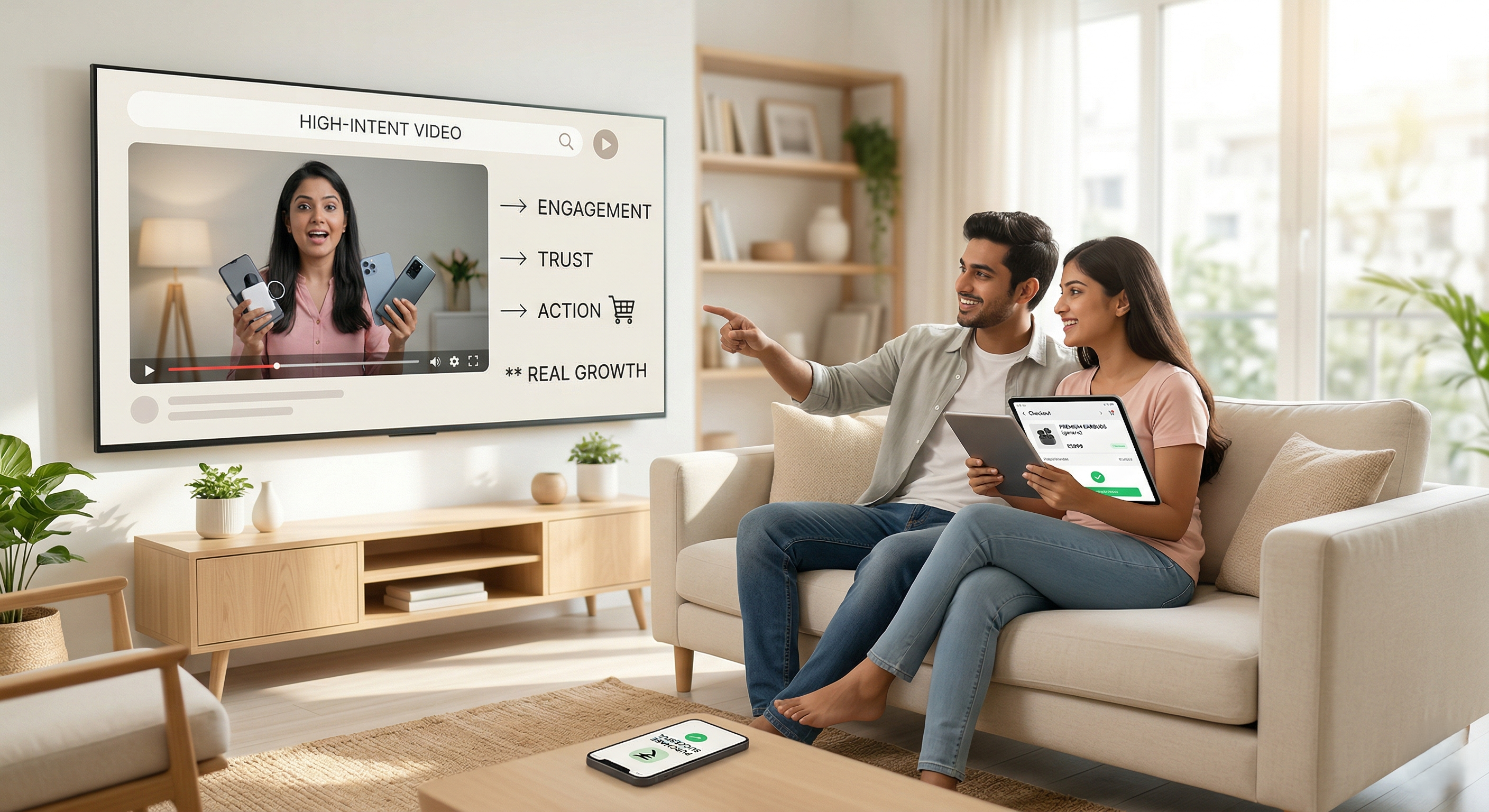
But the real insight isn’t just “do Reels.” It’s about which type of Reel converts. Across Indian D2C brands, tutorial and product demo content consistently outperforms lifestyle and aesthetic content when the goal is purchase. The hook is different: “here’s how this works” drives sales better than “here’s how this looks.”
What to do: Make demo and tutorial content the core deliverable in creator briefs for conversion campaigns. Allocate at least 60% of creator content budget to short-form video.
Trend 4: Always-On Ambassador Programs Are Replacing Campaign-Only Models
One-off sponsored posts have a trust problem that consumers are increasingly aware of. A single paid post doesn’t communicate genuine product belief. Indian audiences in 2026 are applying higher skepticism to obvious one-time brand deals.
The brands seeing the best influencer ROI right now are building ambassador programs: ongoing creator relationships where the same 10–30 creators are consistently and authentically associated with the brand across months, not just a campaign window. Monthly content, genuine product usage, long-term storytelling — this is what builds the kind of audience trust that converts repeat customers.
What to do: Identify your top 5–10 performing creators from past campaigns and offer an ambassador arrangement with a monthly retainer, performance bonus, and early product access.
Trend 5: AI-Powered Discovery Is Transforming How Brands Find Creators
AI-driven influencer discovery is making it dramatically faster to match brands with the right creators. What previously required days of manual Instagram research — filtering by niche, engagement rate, audience demographics, location, and authenticity — can now be accomplished in under 30 minutes on modern platforms.
In India’s context, AI discovery has a specific advantage: the ability to surface high-value regional language creators who are systematically missed by manual search methods because they operate in hashtag ecosystems that English-language keyword searches don’t reach.
What to do: Adopt a platform with AI-powered discovery and regional creator database coverage. Then invest the time saved in the relationship layer that technology can’t replace.
Trend 6: Connected Commerce Is Making Influencer Attribution Sharper
The integration of shopping features directly into Instagram and YouTube is shortening the distance between a creator’s content and a purchase. In 2026, brands that connect their influencer campaigns directly to their Shopify or WooCommerce stores — enabling in-app purchase attribution without relying on cookie tracking — will have dramatically cleaner ROI data than those still using manual tracking.
What to do: Prioritize influencer platforms that offer native ecommerce integrations. Connected attribution — from creator post to purchase, tracked automatically — is rapidly becoming a baseline requirement for data-driven influencer marketing.